The French Revolution

1789–1799

Liberty. Equality. Fraternity.

Explore the Revolution ↓

Introduction

The French Revolution was one of the most influential events in modern history. Beginning in 1789, it brought an end to centuries of absolute monarchy in France, challenged long-standing systems of privilege, and introduced ideas that continue to shape democratic governments today.

Economic hardship, social inequality, and Enlightenment philosophy inspired ordinary citizens to challenge the authority of King Louis XVI. Although the Revolution experienced periods of violence and political instability, it permanently transformed French society and influenced revolutions across Europe and the Americas.

Thesis: The French Revolution transformed France politically and socially by ending the absolute monarchy, promoting individual rights, and inspiring democratic movements throughout the world.

Causes of the French Revolution

The Revolution did not begin because of one single event. Instead, several political, economic, and social problems built over many years until the French people demanded change.

Illustration of the Three Estates

The Three Estates

French society was divided into three estates. The First Estate consisted of the clergy, the Second Estate included the nobility, and the Third Estate represented nearly 97 percent of the population. Despite making up the overwhelming majority of France, the Third Estate paid most of the taxes while enjoying the fewest privileges.

Economic crisis illustration

Economic Crisis

Years of costly wars, including France's support of the American Revolution, left the government deeply in debt. Poor harvests caused food shortages, bread prices increased dramatically, and ordinary citizens struggled to survive while the monarchy continued extravagant spending.

Enlightenment philosophers

Enlightenment Ideas

Enlightenment thinkers such as John Locke, Voltaire, and Jean-Jacques Rousseau argued that governments should protect natural rights and derive their authority from the consent of the governed. These revolutionary ideas encouraged many French citizens to question absolute monarchy.

Portrait of King Louis XVI

Weak Leadership

King Louis XVI struggled to address France's growing financial and political problems. His inability to reform the tax system or satisfy the demands of the people weakened confidence in the monarchy and contributed to the outbreak of the Revolution.

Timeline of the French Revolution

The French Revolution unfolded over ten dramatic years, forever changing France and influencing the modern world.

May 1789
Meeting of the Estates-General

Estates-General Convenes

King Louis XVI called the Estates-General to address France's financial crisis. Disagreements over voting led members of the Third Estate to demand greater political representation.

June 1789
Tennis Court Oath

Tennis Court Oath

Representatives of the Third Estate pledged not to separate until France had a new constitution, marking the beginning of organized resistance against the monarchy.

July 14, 1789
Storming of the Bastille

Storming of the Bastille

Revolutionaries captured the Bastille prison, a powerful symbol of royal authority. The event became one of the defining moments of the Revolution.

August 1789
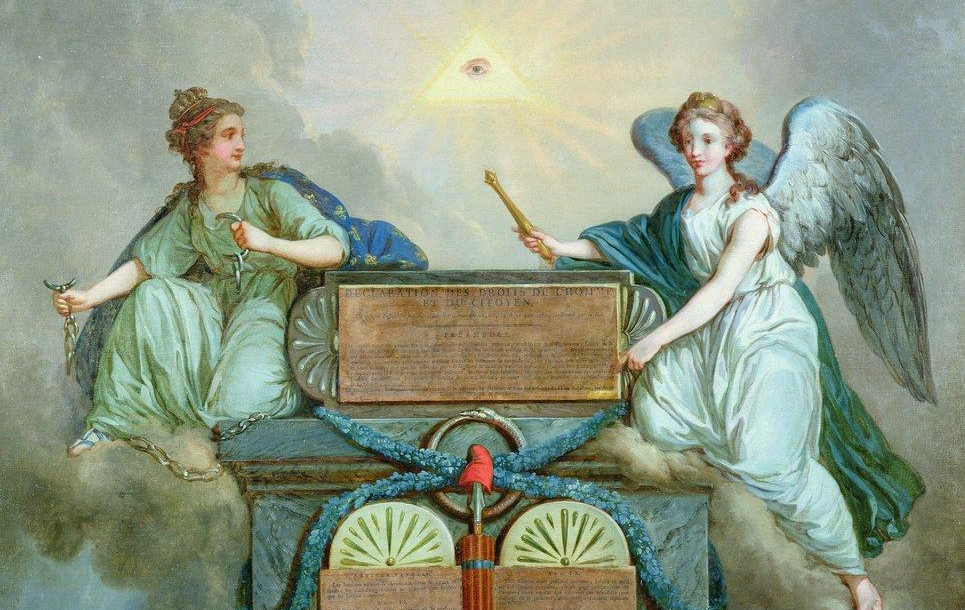
Declaration of the Rights of Man

Declaration of the Rights of Man

The National Assembly adopted a declaration proclaiming liberty, equality before the law, and the natural rights of citizens.

1793–1794
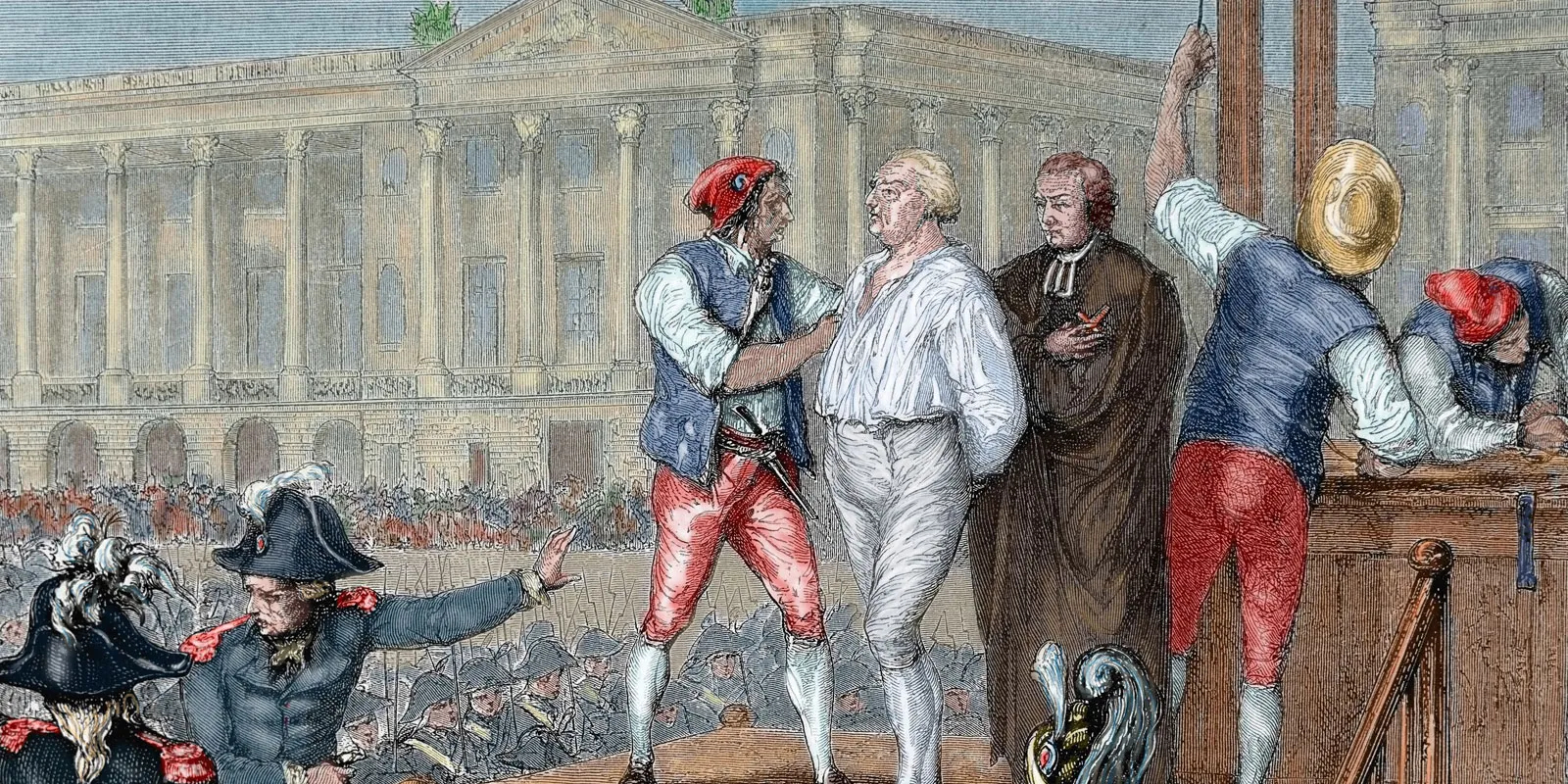
Reign of Terror

Reign of Terror

Under Maximilien Robespierre, thousands of suspected enemies of the Revolution were executed by guillotine during one of its most violent periods.

1799
Napoleon Bonaparte

Napoleon Takes Power

Napoleon Bonaparte overthrew the Directory during the Coup of 18 Brumaire, ending the Revolution and becoming First Consul of France.

Key Historical Figures

King Louis XVI

King Louis XVI

The final king of France before the Revolution. His inability to solve France's financial crisis contributed to growing unrest.

Marie Antoinette

Marie Antoinette

Queen of France whose extravagant lifestyle became a symbol of the monarchy's disconnect from the struggles of ordinary citizens.

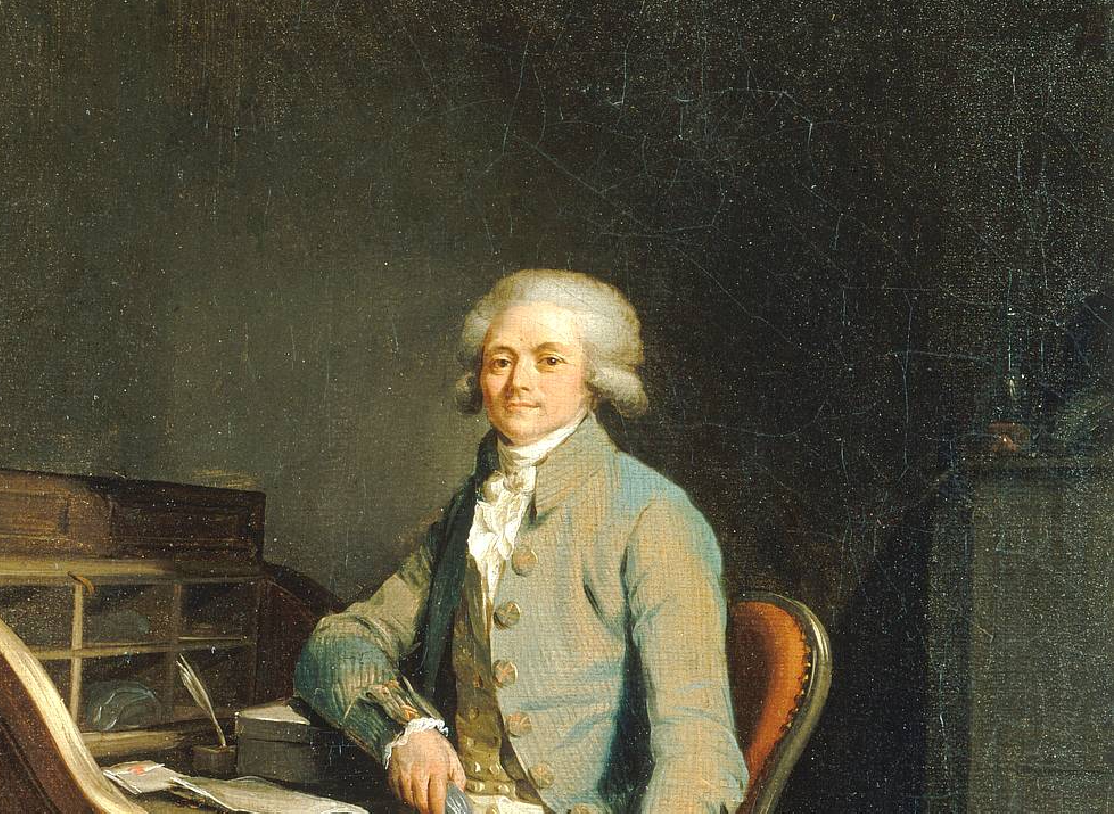
Robespierre

Maximilien Robespierre

A leading revolutionary who believed terror was necessary to defend the Revolution. His rule ended with his own execution in 1794.

Napoleon Bonaparte

Napoleon Bonaparte

Military leader who rose to power after the Revolution and introduced reforms such as the Napoleonic Code while expanding the French Empire.

Effects and Lasting Significance

Political Changes

  • End of the absolute monarchy
  • Creation of constitutional government
  • Greater political participation
  • Rise of nationalism

Social Changes

  • Abolition of feudal privileges
  • Equality before the law
  • Expansion of individual rights
  • Decline of aristocratic power

Global Influence

  • Inspired revolutions across Europe
  • Influenced independence movements in Latin America
  • Spread democratic ideals
  • Helped shape modern constitutions

Primary and Secondary Sources

Primary Sources

  • The Declaration of the Rights of Man and of the Citizen (1789)
  • Cahier of 1789: The Third Estate of Versailles

Secondary Sources

  • Encyclopaedia Britannica
  • History.com

Conclusion

The French Revolution reshaped France by ending centuries of absolute monarchy, challenging traditional social hierarchies, and promoting the principles of liberty, equality, and citizenship.

Although the Revolution experienced violence and political instability, its ideas spread throughout Europe and beyond, inspiring democratic reforms and future revolutions. More than two centuries later, its legacy continues to influence governments, constitutions, and discussions of human rights around the world.